
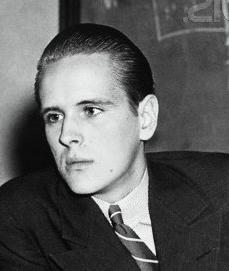
Jesse Livermore
Born July 26, 1877 in Shrewsbury, Massachusetts, Jesse Lauriston Livermore started trading at fourteen in bucket shops, informal parlors where speculators bet on stock prices. By fifteen he had earned his first $1,000, a meaningful sum in the 1890s. Over the next half century he became one of the most famous speculators in American history, building extraordinary wealth and losing it more than once, yet always returning to his own record.
Active years: 1890s–1940
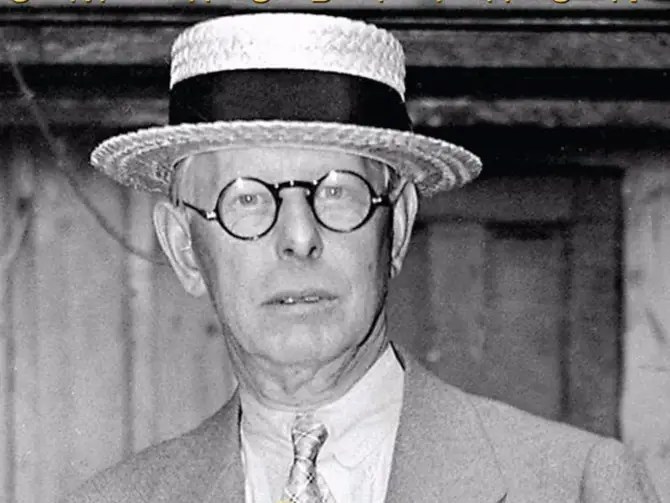
"There is nothing new in Wall Street. There can't be because speculation is as old as the hills. Whatever happens in the stock market today has happened before and will happen again."
Trading strategy:
A pure tape reader and trend follower before those terms existed. He watched price and volume, bought stocks making new highs in bull markets, and shorted names making new lows in bear markets. His pivotal point approach: wait for a key level to break, then commit capital. Famous for waiting weeks or months for the right setup.
Greatest achievement:
Shorting the 1929 market collapse for a profit estimated near $100 million (roughly $1.5 billion today). He saw the bubble while much of the country was still euphoric.
Psychological & behavioral traits:
- Extreme patience, often waiting weeks or months for the right setup
- Ability to trade against the crowd when his tape read was clear
- Remarkable skill reading fear, greed, and crowd psychology on the tape
- Candid about human frailty: depression, overtrading after big wins, fortunes lost when discipline slipped
- Meticulous journals: wins, losses, market notes, and emotional state at the time of each trade
Trading journals
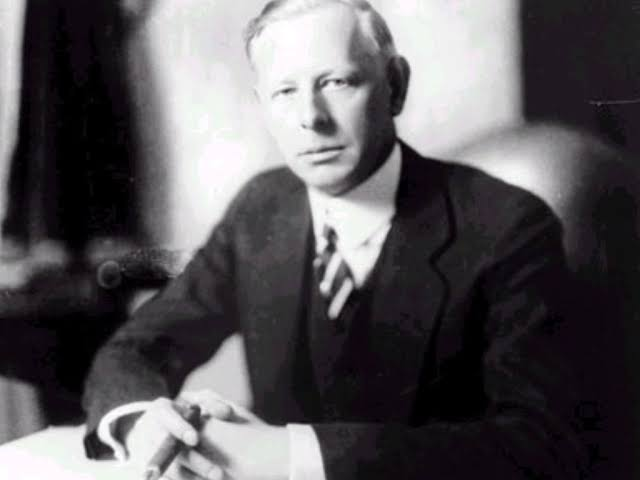
"My records began to talk to me."
"The examination of a losing trade is tortuous but necessary to ensure that it will not happen again."
Livermore studied price action relentlessly and re-read losing trades even when painful, crediting much of his recovery from early Wall Street setbacks to reviewing his own record.
Publications
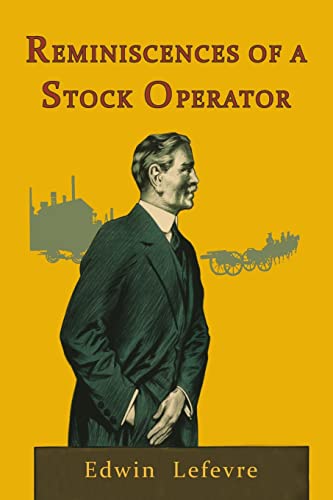
Reminiscences of a Stock Operator
Edwin Lefèvre, 1923
A fictionalized account based on Livermore's tape-reading years. Still the classic introduction to his mindset.

How to Trade in Stocks
Jesse Livermore, 1940
Livermore's own notes on trend, timing, and cutting losses. Published after his peak years on Wall Street.
As an Amazon Associate we earn from qualifying purchases.
Social impact
His emphasis on cutting losses, letting winners run, and honest self-review influenced trend-following systems and modern trading psychology. Traders still read his story for discipline, not as a script to copy literally.
Historical photographs of Jesse Livermore (1877–1940), public-domain era. TradeJournal's AI assistant Jesse is software, not Livermore himself.